
Source: Freepik
Copyright: tirachardz
URL: https://www.freepik.com/free-photo/young-asia-lady-using-computer-laptop-talk-about-disease-video-conference-call-with-senior-doctor-online-consultation-living-room-home_15114609.htm#
License: Licensed by JMIR
1 in 7 People Who Go to the Emergency Department Probably Don’t Need to
By Jodi Gray, Andrew Partington, and Jonathan Karnon
The number of people presenting to public hospital emergency departments in Australia has been increasing over the past few years, which has led to overcrowding. Much of this overcrowding is from nonurgent cases. Up to 40% of all presentations to an emergency department could have been handled in a primary care setting, such as by a general practitioner (GP).
During the first wave of the COVID-19 pandemic in Australia, there was a significant reduction in the number of people seeking care from emergency departments. This has largely been attributed to fear of catching the virus while in the hospital.
A recent survey by PCHSS researchers Jodi Gray, Andrew Partington, and Professor Jonathan Karnon at Flinders University examined how people who experienced a health issue that they would typically have gone to the emergency department for managed their care during the early stages of the pandemic. The article, Access, Use, and Patient-Reported Experiences of Emergency Care During the COVID-19 Pandemic: Population-Based Survey, published in the JMIR Human Factors, found that 35% of those surveyed either delayed or completely avoided going to the emergency department by seeking care elsewhere. Another 10% reported that they did not seek any care, choosing instead to self-manage their condition. This is despite many having high rates of concern about their health issue.
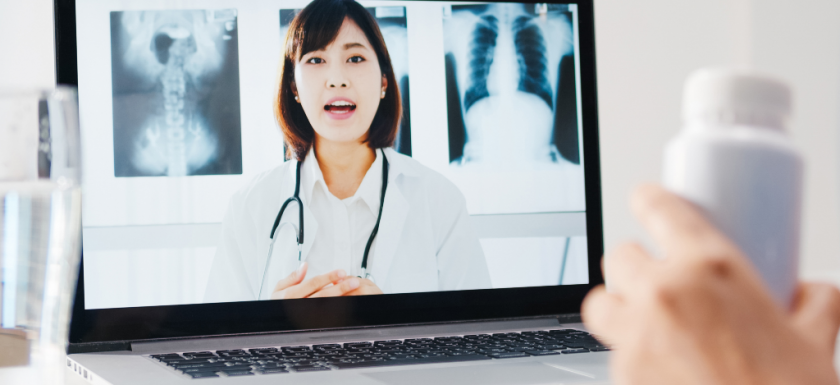
Of the people who sought care outside of the emergency department, the majority chose to attend a face-to-face appointment (42%) or to have a telehealth appointment with a GP (21%). Nearly half of these people avoided going to the emergency department following their consultation.
The survey also examined how satisfied people were with the care they received from non–emergency department health services. Most people reported positive experiences with slightly higher satisfaction ratings for in-person GPs compared to telehealth appointments.
Based on their survey, the authors revealed that potentially “1 in 7 patients with a perceived need for emergency care can be cared for satisfactorily outside of an emergency department.”
However, the 10% who did not seek care may be a concern. As the authors explain, “These people were often older and had poorer general health. They may require more help in accessing the emergency department or other forms of health care, particularly during the COVID-19 pandemic.”
While GPs may help ease the burden on emergency departments by acting as a triage system, their effectiveness will be limited if appointments are not available or accessible. Continuing to allow telehealth consultations to be bulk billed can increase the accessibility of GP appointments, which the authors explain “may be a way to reduce the number of people going to the emergency department.”
As with any change in health service provision, GP telehealth consultations will need to continue to be evaluated to determine the impact on patient outcomes and the health system.
Media Contact:
Jonathan Karnon: jonathan.karnon@flinders.edu.au
Original Article:
Gray J, Partington A, Karnon J. Access, Use, and Patient-Reported Experiences of Emergency Care During the COVID-19 Pandemic: Population-Based Survey. JMIR Hum Factors 2021;8(3):e30878
URL: https://humanfactors.jmir.org/2021/3/e30878/
doi: 10.2196/30878